
Why Morning Matters
Your sunrise practice doesn’t need to be complicated. In fact, the simpler you keep it, the more likely you’ll actually do it every morning. Most people overthink meditation before they even start — they’re waiting for the perfect cushion, the perfect quiet space, the perfect moment. But here’s the thing: that moment never comes. You just begin where you are right now.
Malaysia’s tropical climate gives you something special. The humidity, the early birds calling, the soft light breaking through clouds — these aren’t obstacles to work around. They’re part of your practice. You’re not meditating despite your environment. You’re meditating within it, with it.
Finding Your Ideal Time
The best time to meditate is when you’ll actually do it. For most people, that’s right after waking up — before your phone buzzes, before your brain kicks into problem-solving mode. Even 15 minutes earlier than usual makes a difference.
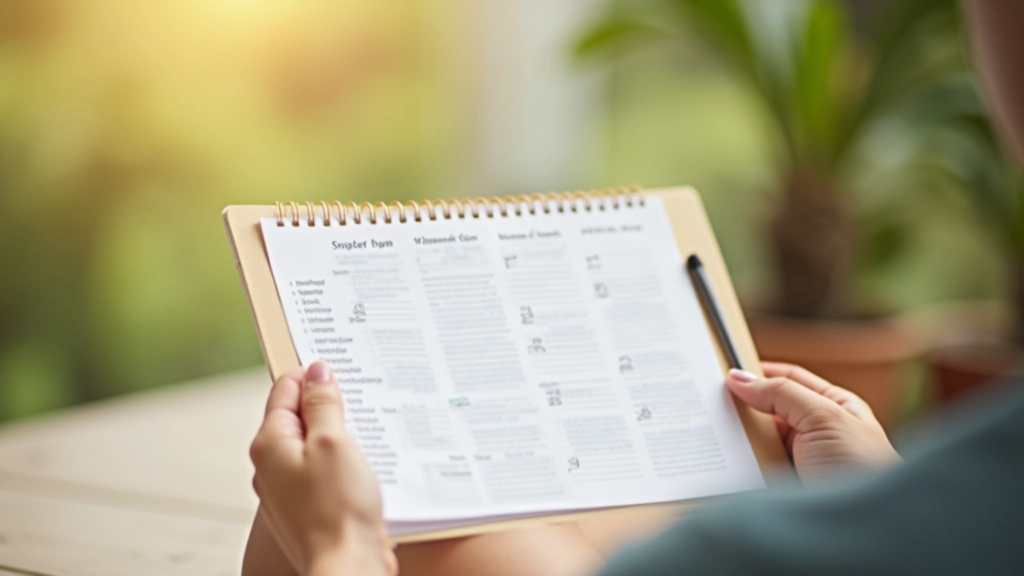
Don’t worry if you’re not naturally a morning person. You don’t need to wake at 5 AM to have a meaningful practice. Even starting 10 minutes earlier than your usual wake time counts. That consistency matters more than the clock.
Real talk: Set your alarm 15 minutes earlier for the first week. Just 15. Once it feels normal, you can adjust from there. Small wins build habits.

Educational Note
This article provides educational information about meditation practices for personal wellness. It’s not a substitute for professional medical or mental health advice. If you’re experiencing sleep issues, anxiety, or other health concerns, consult with qualified healthcare professionals. Meditation practices vary by individual, and what works for one person may differ for another.
Setting Up Your Space
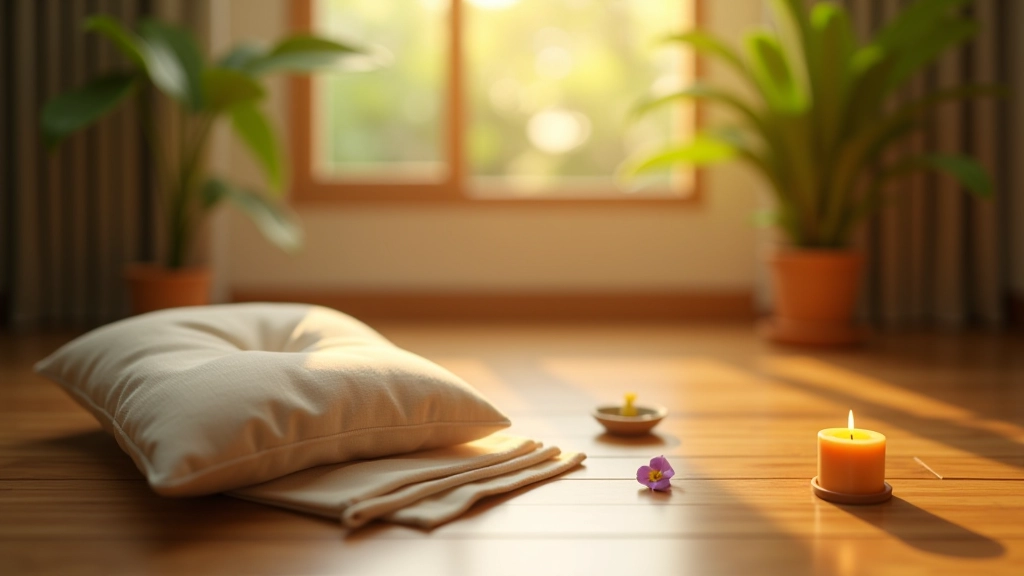
You need less than you think. A corner of your bedroom. Your living room. Even a spot on your balcony if you’ve got one. The space doesn’t need to be special — it just needs to be yours for those few minutes.
If you have a cushion, great. If not, a folded towel or a chair works just fine. Your back should be straight but not rigid. Shoulders relaxed. Feet on the ground or crossed, whatever feels stable. Comfortable matters because discomfort becomes your focus, and that’s not what you’re here for.
In humid climates, a small fan can help without being distracting. It keeps air moving, which actually makes it easier to focus. Some people light incense or use essential oils — lavender, sandalwood, jasmine. But these are optional. Your breath is always available. That’s your anchor.
A Simple Three-Step Practice
Start here. Don’t overcomplicate it. This 10-minute structure works whether you’ve got 5 minutes or 20.
Settle In (2 minutes)
Sit down. Close your eyes or keep them softly focused downward. Take three deep breaths — not forcing anything, just noticing. Feel your body settling into the cushion, the chair, whatever’s supporting you. You’re here. That’s it.
Find Your Breath (6 minutes)
Breathe naturally. You’re not controlling your breath — you’re watching it. Notice the cool air coming in through your nose, the warm air going out. Feel your chest and belly rise and fall. When your mind wanders (and it will), that’s not failure. That’s the practice. Just gently bring your attention back to breathing. Again and again.
Transition Slowly (2 minutes)
When your time’s up, don’t jump straight into your day. Wiggle your fingers and toes. Open your eyes slowly. Sit for another breath or two. Notice how you feel. This transition is part of the practice — it carries the calm forward into your morning.

Making It Stick
Consistency beats intensity every single time. Ten minutes daily is infinitely better than an hour once a month. You’re building a habit, not chasing a mystical experience. The first two weeks are the hardest — your brain will resist. It’s used to waking up and immediately being productive. Sitting quietly feels wrong at first.
By week three, something shifts. Your body starts anticipating it. You might notice you sleep better, or you’re less reactive when things go wrong. You’re calmer in conversations. These aren’t dramatic changes — they’re quiet ones. But they’re real.
Some mornings you won’t feel like doing it. Do it anyway. Some mornings your mind will race the entire time. That’s fine — you were there. You showed up. That counts. You’re not trying to achieve some perfect meditative state. You’re practicing the skill of showing up for yourself, every morning, without judgment.
“The mind will do anything to keep you from sitting still. That’s not a sign you’re doing it wrong. That’s exactly when you’re learning.”
Malaysia’s heat and humidity might make your cushion feel damp. That’s okay. Your practice isn’t ruined. Insects might be louder than usual. Also okay. You’re not trying to create perfect silence — you’re practicing presence amid whatever’s actually happening. That’s the real skill. That’s what changes things.
Your Next Step
You don’t need permission to start. You don’t need the perfect setup or the perfect time or the perfect mindset. You just need to sit down tomorrow morning and try. Not forever. Just tomorrow. See how it feels.
Your sunrise practice is waiting for you. It’s simple, it’s free, and it’s more powerful than you think. Start small. Stay consistent. Let the rest unfold naturally.